
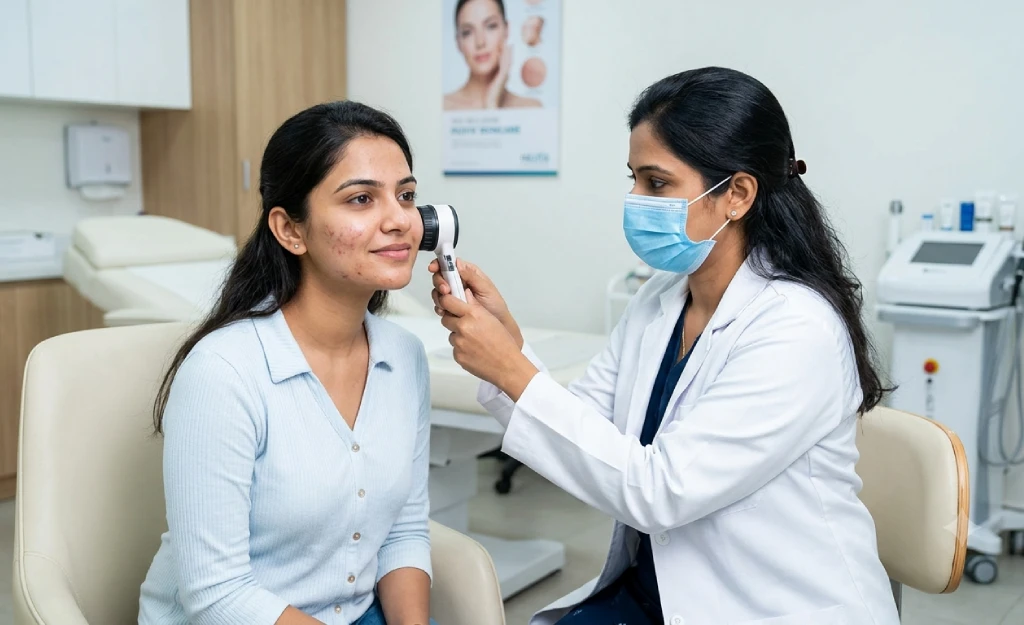
Acne continues to be one of the most common skin concerns affecting teenagers and adults alike. While a few occasional breakouts may seem harmless, persistent acne can lead to inflammation, discomfort, pigmentation, and even permanent scarring if left untreated. The good news is that advancements in dermatology have made acne management more effective than ever, giving patients access to a wide range of solutions tailored to different skin types and acne severity levels.
At Neotis Skin Care Clinic, based in Kalyan Nagar, Bengaluru, dermatologists regularly treat patients struggling with everything from mild blackheads and whiteheads to severe inflammatory acne and acne scars. With modern treatment options such as chemical peels, laser therapies, medical facials, prescription medications, and advanced acne management protocols, finding the best acne treatment in 2026 has become more personalized and results-driven than ever before.
But with so many options available, one question remains common among patients: Which is the best treatment for acne, and which one works the fastest?
Let’s explore the leading acne treatment options available in 2026 and understand how each one works.
Understanding Acne Before Choosing a Treatment
Acne develops when hair follicles become clogged with excess oil, dead skin cells, and bacteria. Hormonal fluctuations, genetics, stress, certain medications, and lifestyle factors can all contribute to acne flare-ups.
Because acne has multiple causes, there is no universal solution that works for everyone. The best acne treatment often depends on factors such as:
- Type of acne
- Severity of breakouts
- Skin sensitivity
- Presence of acne scars
- Hormonal influences
- Previous treatment history
This is why professional evaluation remains an important first step before beginning any treatment plan.
Over-the-Counter Acne Treatments
For mild acne and occasional breakouts, over-the-counter (OTC) products are often the first line of treatment.
Common Active Ingredients
1. Benzoyl Peroxide
Benzoyl peroxide helps kill acne-causing bacteria while reducing inflammation.
Benefits
- Reduces inflammatory pimples
- Widely available
- Suitable for mild acne
Expected Results
- Visible improvement in 4–8 weeks
2. Salicylic Acid
Salicylic acid exfoliates the skin and helps unclog pores.
Benefits
- Effective for blackheads and whiteheads
- Helps prevent future breakouts
- Improves skin texture
Expected Results
- Improvement within 4–6 weeks
3. Adapalene
A retinoid available in many OTC formulations.
Benefits
- Regulates skin cell turnover
- Prevents clogged pores
- Supports long-term acne control
Expected Results
- 6–12 weeks
While OTC products can help mild acne, they may not be sufficient for moderate to severe cases.
Prescription Medications for Acne
When acne becomes persistent or inflammatory, dermatologists often recommend prescription treatments.
1 . Topical Prescription Treatments
These may include stronger retinoids, antibiotics, or combination therapies.
Benefits
- Targets acne at the source
- Controls inflammation
- Prevents new breakouts
Expected Results
- 6–12 weeks
2. Oral Medications
Depending on the patient’s condition, dermatologists may prescribe:
- Oral antibiotics
- Hormonal therapies
- Isotretinoin
Benefits
- Effective for moderate to severe acne
- Addresses underlying causes
- Reduces future acne formation
Expected Results
- 8–16 weeks depending on treatment type
For severe cystic acne, oral medications remain among the most effective long-term solutions.
Chemical Peels for Acne Control
Chemical peels continue to be one of the most popular dermatology procedures for acne management in 2026.
How They Work
Specialized acids exfoliate the skin, remove dead cells, unclog pores, and reduce bacterial buildup.
Benefits
- Controls active acne
- Improves oily skin
- Reduces post-acne pigmentation
- Enhances skin texture
Expected Results
- Initial improvement after 1–2 sessions
- Noticeable reduction in acne within 4–6 weeks
Chemical peels are particularly beneficial for patients dealing with both active acne and acne marks.
Hydrafacial and Deep Cleansing Medical Facials
Medical-grade facial treatments have evolved significantly in recent years.
How They Work
Advanced cleansing systems remove impurities, excess oil, and debris while hydrating the skin.
Benefits
- Deep pore cleansing
- Reduction in congestion
- Improved skin health
- Minimal downtime
Expected Results
- Immediate skin freshness
- Better control of mild acne with regular sessions
While not a standalone cure for acne, Hydrafacial-type treatments can complement a comprehensive acne management plan.
Laser Treatments for Acne
Laser technology has become an important part of the best acne treatment in 2026.
How Laser Treatments Work
Certain lasers target:
- Acne-causing bacteria
- Excess oil production
- Inflammation within the skin
Benefits
- Non-invasive
- Helps reduce active acne
- Improves redness and inflammation
- Supports scar prevention
Expected Results
- Visible changes within 2–6 weeks
- Continued improvement after multiple sessions
Laser therapies are particularly useful when combined with prescription skincare and medical treatments.
Blue Light and LED Acne Therapy
Light-based therapies have gained popularity due to their gentle yet effective approach.
How They Work
Blue light targets acne-causing bacteria, while red light helps reduce inflammation.
Benefits
- Non-invasive
- No significant downtime
- Suitable for sensitive skin
Expected Results
- Improvement after several sessions
- Best outcomes seen over 4–8 weeks
These treatments are often used as supportive therapies alongside other acne management procedures.
Microneedling for Acne-Prone Skin and Scarring
Although primarily known for scar treatment, microneedling can benefit certain acne patients when active inflammation is controlled.
Benefits
- Improves acne scars
- Stimulates collagen production
- Enhances skin texture
Expected Results
- Progressive improvement over 2–6 months
Microneedling is generally recommended after active acne is under control rather than during severe breakouts.
Comparison of Popular Acne Treatments in 2026
| Treatment | Best For | Benefits | Downtime | Initial Results |
| Benzoyl Peroxide | Mild inflammatory acne | Reduces bacteria and inflammation | None | 4–8 weeks |
| Salicylic Acid | Blackheads and whiteheads | Unclogs pores | None | 4–6 weeks |
| Prescription Topicals | Mild to moderate acne | Controls breakouts long term | Minimal | 6–12 weeks |
| Oral Medications | Moderate to severe acne | Addresses internal causes | Minimal | 8–16 weeks |
| Chemical Peels | Active acne and pigmentation | Exfoliation and oil control | Mild | 4–6 weeks |
| Hydrafacial | Congested skin | Deep cleansing | None | Immediate freshness |
| Laser Treatments | Persistent acne | Reduces bacteria and inflammation | Minimal | 2–6 weeks |
| LED Therapy | Mild to moderate acne | Gentle acne control | None | 4–8 weeks |
| Microneedling | Acne scars | Collagen stimulation | Mild | 2–6 months |
So, Which Acne Treatment Works Fastest?
When patients ask about the best treatment for acne, they are often looking for the fastest possible results.
The reality is that no single treatment works equally fast for every individual. Factors such as skin type, acne severity, hormonal influences, and overall skin health play a major role in determining outcomes.
However, for visible reduction in active acne, inflammation, and oil production, professional chemical peels and laser-based acne treatments often deliver some of the fastest noticeable improvements, especially when combined with dermatologist-prescribed skincare and medications.
For severe inflammatory or cystic acne, oral prescription treatments may provide the most significant long-term improvement, although results may take longer to become visible.
This is why a personalized consultation remains essential. What works fastest for one patient may not necessarily be the best acne treatment for another.
Clear Skin Starts with the Right Treatment Plan
Acne is no longer a condition that patients simply have to live with. From advanced prescription therapies and medical-grade skincare to chemical peels, laser treatments, and customized acne management protocols, there are more effective solutions available today than ever before.
At Neotis Skin Care Clinic, experienced dermatologists evaluate the root cause of acne before recommending a treatment plan tailored to individual skin needs. Whether you’re dealing with occasional breakouts, persistent acne, post-acne pigmentation, or early acne scarring, the right intervention can help you achieve healthier, clearer skin with confidence.
If you’re looking for the best acne treatment in 2026, booking a professional consultation is the first step toward understanding which treatment option is most suitable for your skin and how quickly you can expect results.
